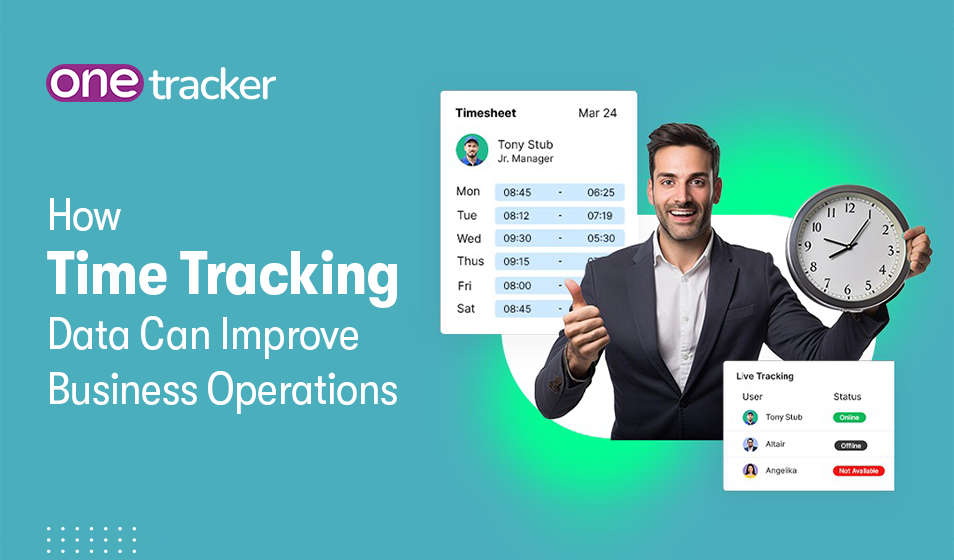
Let's be honest: most teams always feel busy. There are constant meetings, messages flying back and forth, and tasks that just seem to stretch on forever. Yet, being busy is not actually always a guarantee of being productive. Most businesses don't have an accurate idea about where their time goes. Hours get lost in admin work. Unclear priorities, or just trying to put out today's fires. Without real data, it's almost impossible to know what drives performance and what quietly drains it.
That's where time tracking data comes in, not as some sort of surveillance tool, but as a mirror to reflect how your business really operates. When used rightly, it is one of the most powerful levers for improving efficiency. Accountability and ultimately, the bottom line.
Why Time Data Matters More Than Ever
Every decision you make, from hiring to budgeting. Depends on how effectively your team uses time. But gut feeling isn’t a strategy. With accurate time tracking, you stop guessing and start seeing:
Which projects eat up the most hours
Where bottlenecks slow things down
How your team’s time aligns with your biggest goals
These insights help you make decisions based on facts. You’ll know what’s working, what’s not. And where small tweaks could lead to big improvements.
1. Smarter Resource Allocation
One of the quickest wins from tracking time is better resource allocation. Most companies do not even have any idea of just how lopsided workloads can get until the numbers present themselves. Some teams get swamped, others don't really use all they have. Time tracking points out these problems. So you can fix them before deadlines are missed.
Imagine knowing your design team spends twice as long on changes as you thought they would. But your dev team always finishes early. Then you can move tasks around, make better estimates. And create a smoother workflow without just guessing. It's not about squeezing more hours out of people. It's about helping them work in a smarter way.
2. Building a Culture of Ownership
Tracking time isn't the same as micromanaging people. It's really about being open. When everyone on a team knows how their time is being spent on the bigger things? It builds trust and makes them more responsible. It also opens up better conversations, like why certain tasks always take longer or how processes might be simplified.
It empowers the employees-they see what their contributions to the company will be. To the managers, it is an opportunity to enable and not police. Data becomes the common language with which everyone aligns, not opinions.

3. Better Forecasting, Fewer Surprises
Project delays and missed deadlines aren't just a pain; they hurt your wallet. They cut into your earnings and make clients doubt you. But if you have solid info from old projects, you can get a better idea of what's coming. You'll be able to see how long projects like that took before, who was important for getting them done right, and where you usually ran into trouble. This means you can price projects better, set realistic deadlines, and avoid surprises. Basically, being able to predict things leads to making more money.
4. Finding and Fixing Process Inefficiencies
Think of time data like an X-ray for how you work. It points out the weak spots, like when approvals take forever, things get passed around too much, or people spend ages on boring admin tasks. Say your marketing people are spending 30% of their time just trying to get feedback instead of making stuff – that's not their fault, it's the process that's broken. After you notice that? You can change the flow, automate stuff, or make reviews easier to save time. These small changes can really make a difference down the road.
5. Turning Insights Into Continuous Improvement
Time tracking is cool because it doesn't just give you a quick look at what's happening. It keeps giving you feedback over time. After a few weeks or months? You’ll start to see patterns. Like, maybe your projects are getting done quicker. Or some tasks always drag on. This helps you set achievable goals. Instead of just shooting in the dark. It’s about getting better, not being perfect.
6. Making Data-Driven Strategic Decisions
When you're leading a team? Time data is like having a map. It links what you do every day to the overall strategy. You can see where your team's time goes. This helps you make better decisions.
Should we keep investing in this client or project?
Are we focusing enough time on innovation?
Which activities actually drive revenue?
With this kind of clarity, your decisions stop being reactive and start being strategic.

Turning Data Into Action with OneTracker
Okay, so gathering data is just the start. The real work is knowing what to do with it. That’s where OneTracker comes in handy. They make it simple for teams to keep track of their time. And turn that data into visuals that are easy to read. It's made for actual businesses, so it's not just about tracking, but about changing how you work. With it, you're able to:
See where time is being spent in real time
Understand performance trends
Make faster, smarter operational decisions
It’s not about watching the clock, it’s about giving your business a sharper, more accurate sense of its own rhythm.
The Conclusion
Time is money. And you can definitely make better use of what you have. Think of your time data as a valuable tool. When you see where your time is going? You can get stuff done. That's how good teams become great. Want to know where your time is actually going? Check out OneTracker and start turning every minute into a chance to grow smarter.
About the Author