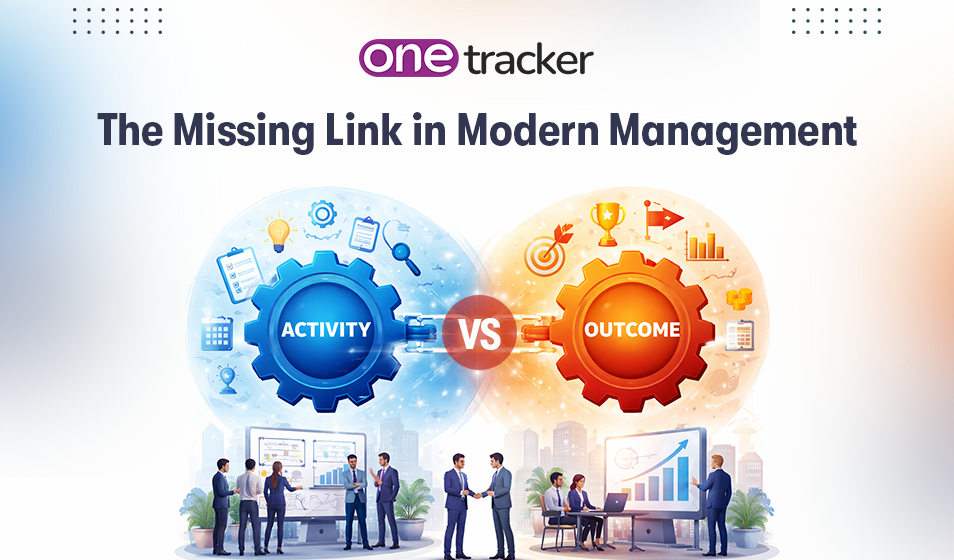
Data is the new oil, and today, employers are drilling hard into their people. With every app’s swap and keystroke, they think they’re mining rich insights into their workforce. But with every attendance record and task status they scoop up, a disturbing question pops into mind: are we really mining gold, or are we merely piling junk in our virtual mines?
The truth is, without analytics, activity data is merely background noise. Raw information alone doesn’t tell you what is or isn’t working, or how to improve overall performance. Information can be overwhelming, confusing, and, in a word, useless, unless it is interpreted correctly. Analytics is what brings order to chaos, turning it into useful insight. Let’s explore why analytics is the difference between simply collecting activity and actually making smarter business decisions.
The Modern Workplace Generates Endless Activity Data
Now, we live in an age where we use a multitude of digital tools to operate as an organization. We log in with systems, chat with each other using platforms, track our work progress online, and do our work using apps and dashboards. This includes everything from logins, attendance, how your complete tasks, how long you use an application, and how often you use something. The problem, of course, is that we are flooded with all of this. The reality is, creating more data does not necessarily mean creating more value. If you are not using the data you are creating to gain insights into what the data means, then you are essentially just creating noise.

Data Alone Doesn’t Answer Business Questions
Most business leaders don’t want spreadsheets full of timestamps. They want answers to questions like: Why is productivity dropping in a certain team? Which workflows are slowing down projects? Are employees overloaded or underutilized? Where is time being wasted without results?
Raw activity data can’t answer these questions on its own. It only shows “what happened,” not “why it happened” or “what should happen next.” Analytics provides the context and interpretation needed to make data meaningful.
Without Analytics, Data Creates More Confusion Than Clarity
One of the biggest risks of collecting activity data without analysis is information overload. Managers may see hundreds of data points but still feel uncertain about performance. Employees may feel monitored without understanding how the data helps. Leadership may end up making assumptions instead of decisions.
Instead of clarity, the organization experiences misinterpretation of productivity, Unnecessary micromanagement, lack of actionable direction and stress from excessive tracking. This is why analytics is essential, it turns tracking into strategy.
Analytics Turns Activity Into Actionable Insights
Analytics is what transforms raw data into something useful. It helps you identify patterns, trends, and outcomes. Instead of looking at isolated activity, you begin to understand performance at a deeper level. For example, activity data says an employee used multiple apps all day. Analytics reveals that most time was spent switching tools, reducing focus. Activity data shows late logins. Analytics reveals a pattern tied to workload imbalance or scheduling issues.
That’s the difference. Analytics tells the story behind the numbers. Platforms like OneTracker don’t just collect workplace activity, they help businesses interpret it through intelligent dashboards and performance insights.
The Goal Isn’t Monitoring, It’s Optimization
Many companies fall into the trap of thinking tracking is about control. But modern workforce analytics is not about spying, it’s about optimizing. When analytics is applied correctly, it helps organizations, improve productivity without burnout Identify process bottlenecks, support employees with better workload planning, measure outcomes, not just hours. The focus shifts from “What are people doing?” to “How can we help teams do better work?”. That’s where real workplace improvement begins.
Better Analytics Leads to Smarter Business Decisions
When business decisions are based on evidence, not guesswork, businesses thrive. Analytics helps business leaders make confident decisions about what areas of the business need more support, what tools will improve efficiency, where training can improve performance, and what's achievable in terms of productivity.
Rather than simply reacting to individual actions, businesses can take control of optimizing more efficient workflows. With OneTracker, businesses are provided with structured reporting that supports long-term planning, not simply day-to-day oversights.
Employee Trust Depends on Meaningful Data Use
Tracking activity without purpose can damage workplace trust. When people feel like they are being monitored rather than assisted, it has a demoralizing effect on them. When data is being collected without it being put to good use, it has an adverse effect. However, with the help of analytics, it can be turned into a positive experience. When an organization uses it to find top performers, work-life balance, eliminate inefficiencies, and set transparent productivity goals, it changes people’s minds.
Noise vs Signal
In any workplace, not all activity is valuable. Someone can appear “busy” all day but accomplish little. Another person may work fewer hours but deliver high-impact results. Analytics helps separate noise from signal by focusing on Output and trends over time Efficiency, not just effort. Team performance patterns and Meaningful productivity indicators. Thsese are critical for modern organizations that want sustainable performance, not just constant activity.
The Conclusion
Activity data is everywhere but analytics are necessary. Otherwise, workforce monitoring sounds like static rather than music. Businesses not only need tracking but also interpretation and insight. Analytics provide this clarity from the static and confusion. They assist organizations in becoming more efficient and effective in helping employees. With platforms like OneTracker, organizations can move beyond noise and start building a workplace driven by real intelligence.
If you are looking to leverage your workplace activity data into performance insights, OneTracker can help you get there the right way. Get in touch today to learn how intelligent analytics can redefine the way your business measures growth.
About the Author