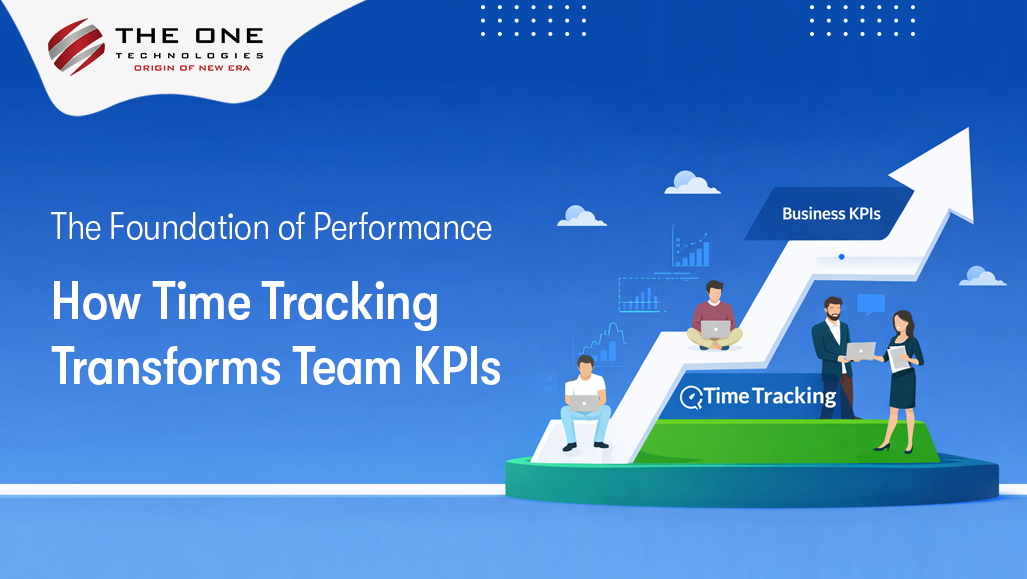
Key performance indicators, or KPIs, serve as the North Stars for modern businesses. Beacons that indicate not only what we're striving for but also how hard we're pushing in that direction. But all too often, leaders find themselves falling into one of two traps: targets that are unreachable or targets that are so easy as to barely provide any steam for growth. And in most cases, this is due to a lack of context. There's no solid sense of past performance and a lack of real-world visibility into how the work actually gets done.
While it takes a lot to create KPIs that push one forward without losing one’s footing, grand plans need further assistance than just a little data. That’s where steady time tracking really turns into a game-changer in managing a team.
Moving from Guesswork to Grounded Benchmarking
Setting a KPI without first assessing your team's current capacity is like going on a road trip without checking the fuel gauge. Most managers use gut feel to estimate how long it should take to do a project or how many tickets a support team should be able to clear in a week. But people aren't great at estimating time. The classic planning fallacy kicks in, where we cling to the best-case outcome and overlook the typical, everyday reality.
Time tracking gives you solid, real-world numbers to replace those hopeful biases. When three months of data show that a typical marketing push needs exactly 45 hours of combined work, you can define a KPI that matches that reality. It's not guesswork, it's benchmarking. This builds a transparent culture where people see the goals as fair and grounded in how their roles actually operate, not just random figures from a spreadsheet.
Identifying the Hidden Friction in Workflows
One of the huge benefits of time tracking is that it helps identify where the hard work is leaking out. Often when teams fail to meet their KPIs, it's not due to a lack of competence and motivation, but to the natural friction that exists within the system. Too many meetings, manual data entry, and an absence of “quick favours” that accumulate hours of time drained away. If the hour-by-hour details of time are not dissected, such distractions remain under the radar.
Comparing time logs and progress related to the identified KPI points will help managers identify areas that create bottlenecks. When data indicates that your design team is allocating 30% of its time to status updates, it explains why the design team could not meet the desired level of work output. With this information, managers are able to modify the process, allowing for asynchronous updates rather than simply expecting more work to be accomplished. Time logging assists managers to identify the "Process KPI points", which emphasises efficiency and health while ensuring that the journey to primary goals remains obstruction-free.
Balancing Utilization Without Risking Burnout
But high performance isn’t a goal when it isn’t sustainable. When people fall into traps in creating their key performance indicators, it happens when they fixate on high volume and forget the cost to people to deliver on those indicators. A sales goal is met, but it comes with a toll of everyone putting in eighty-hour weeks. That is a mirage of success, and it will come with turnover and decreased quality.
Time tracking gives managers a live view of how work is being used. It shows at one glance who's overburdened and who's got room to take on more. When you define KPIs, this data guides you to spread the workload fairly. You can strive for targets that push the team toward peak performance without tipping into burnout. This balanced approach makes your KPIs healthy signals of growth, not an early warning of talent leaving.
Refining Profitability and Resource Allocation
Ultimately, business success boils down to the bottom line. Revenue matters, but it's only part of the story – the other half is what delivery costs. Time tracking closes that gap between effort and profit, showing you in clear terms which projects or clients are the most time-intensive compared with the revenue they bring in.
When you understand the actual price of the value of just an hour of your team's time, your financial KPIs immediately begin to function on a more sophisticated plane. You no longer pursue fulfillment of a simple revenue goal. Rather, you track such metrics as “Profitability per Hour” or “Project Margin”. This distinction allows you to make informed decisions about where to optimise and when to pivot. It also allows the team to concentrate its efforts and optimises the actual work the team does to the most valuable tasks.
The Conclusion
Tracking time on the clock isn’t about monitoring employees but rather helping everyone understand their own path to productivity. Using time tracking in a smart way can make setting key performance indicators a collaborative effort, and a smart one at that, rather than some top-down order handed down by a boss. It helps define what victory looks like, especially victories earned the hard way, and it also provides insight when those victories begin to get out of reach.
Ready to turn your team’s data into a competitive advantage? Contact us today to learn how we can help you implement smarter systems and hit your most ambitious growth targets.
About the Author